
Dealing with advanced decay that's hollowed out more tooth than a filling can rebuild? Dentist Open Now connects you with a specialist in Evanston, IL who treats this specific issue every week, not occasionally.
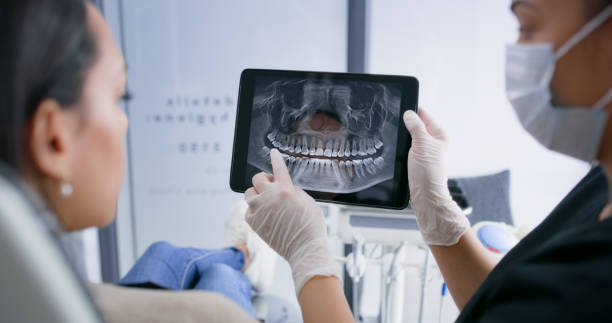
One call gets you matched with a specialist and a confirmed time — not a callback promise.
+1-866-227-2801 Call Now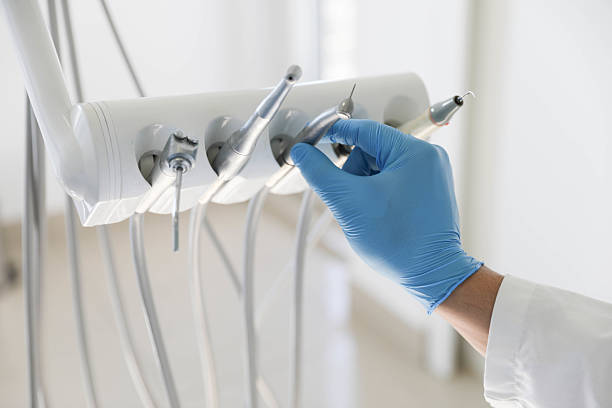
Extraction is usually the last option considered, recommended only after a dentist has ruled out a crown, root canal, or other restorative fix. A tooth that's intact and accessible is typically a simple extraction; one that's fractured, impacted, or below the gum requires a surgical approach.
Local anesthesia numbs the area completely before any extraction begins, with sedation options available for anxious patients or more involved surgical cases. Following the socket-care instructions closely for the first few days is what prevents the most common post-extraction complication.
Not every extraction needs a replacement right away, but a gap left too long can let neighboring teeth drift and complicate future treatment. If an implant is planned down the line, a bone graft placed at the time of extraction can preserve the socket's shape for that later procedure.
Whether the tooth is straightforward or impacted, the same office can typically manage either case.
Comfort options beyond local anesthesia are offered for patients who need them.
A tooth causing acute pain or infection can often be removed the same day it's diagnosed.
Detailed aftercare guidance reduces the risk of dry socket and speeds healing.
Whatever the specifics of your case, the specialist you reach through us has handled it before.
The most common extraction type, typically quick with straightforward recovery.
For teeth broken at the gumline or not fully erupted, requiring a small incision to access the tooth.
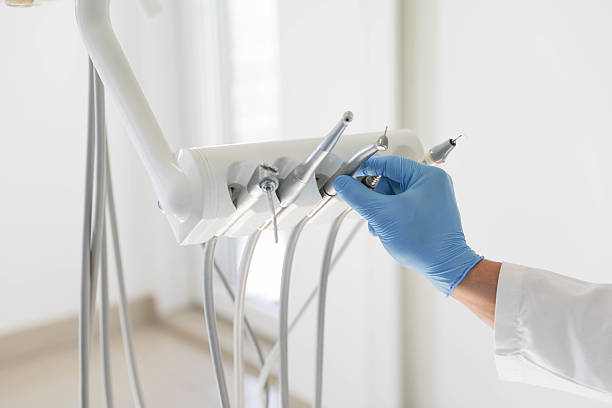
Addresses teeth beyond restorative repair, often alongside a discussion of replacement options.
Removes teeth that have lost too much bone support from periodontal disease to remain functional.

A planning step some orthodontic cases require before alignment can proceed properly.
Bone graft material placed in the socket preserves jawbone volume for a future implant.
You describe what's going on; no automated menu, no long hold.
We match you with a nearby specialist experienced in this exact procedure and check real-time openings.
You get a clear explanation of the treatment plan and its cost before any work begins.
Treatment proceeds on the agreed plan, with clear aftercare instructions and a follow-up if the case calls for one.
"Explained every step before doing anything. First time a dental visit didn't feel rushed."
"Got in faster than I expected for something this specific. Staff were sharp and direct."
"Price they quoted on the phone matched the invoice exactly. No surprise charges."
You may feel pressure during the procedure, but not pain, thanks to the anesthesia.
Most patients feel back to normal within a few days, with full socket healing over several weeks.
Dry socket happens when the healing blood clot dislodges too early — avoiding straws and smoking helps prevent it.
Replacement depends on the tooth's location and your bite; some gaps matter more functionally than others.
Urgent cases involving pain or infection are often accommodated same-day rather than scheduled out.
Cost depends on whether it's a simple or surgical extraction, confirmed for you before the visit.
We keep an updated roster of specialists across Evanston and the surrounding zip codes, so a nearby provider is already in our network.
Every provider carries an active IL dental license, verified before referral.
A short phone call is all it takes to get this on the calendar this week.
Call +1-866-227-2801 Now